


The Caregivers Tax: How Faryl Morse Redefined the Workplace for Women in Footwear
Friday, May 1, 2026
When I started my footwear company, Faryl Robin, in 2001, I was more often than not the only woman in the room at CEO conferences or high-level meetings. While more women have since stepped into executive roles, I have come to realize that increased representation does not necessarily mean greater equity.
It means that women have learned how to navigate – and succeed within – a structure that was never designed with us in mind.
I often refer to the “caregivers tax,” the invisible labor of childcare, eldercare, scheduling, and emotional management that still falls overwhelmingly on women – costing them earnings, promotions, and positions they are fully qualified to hold. We call it “choice” when a woman steps back, turns down travel, or prioritizes flexibility. I don’t see it that way. A choice made inside an unequal system isn’t real freedom – it’s adaptation.
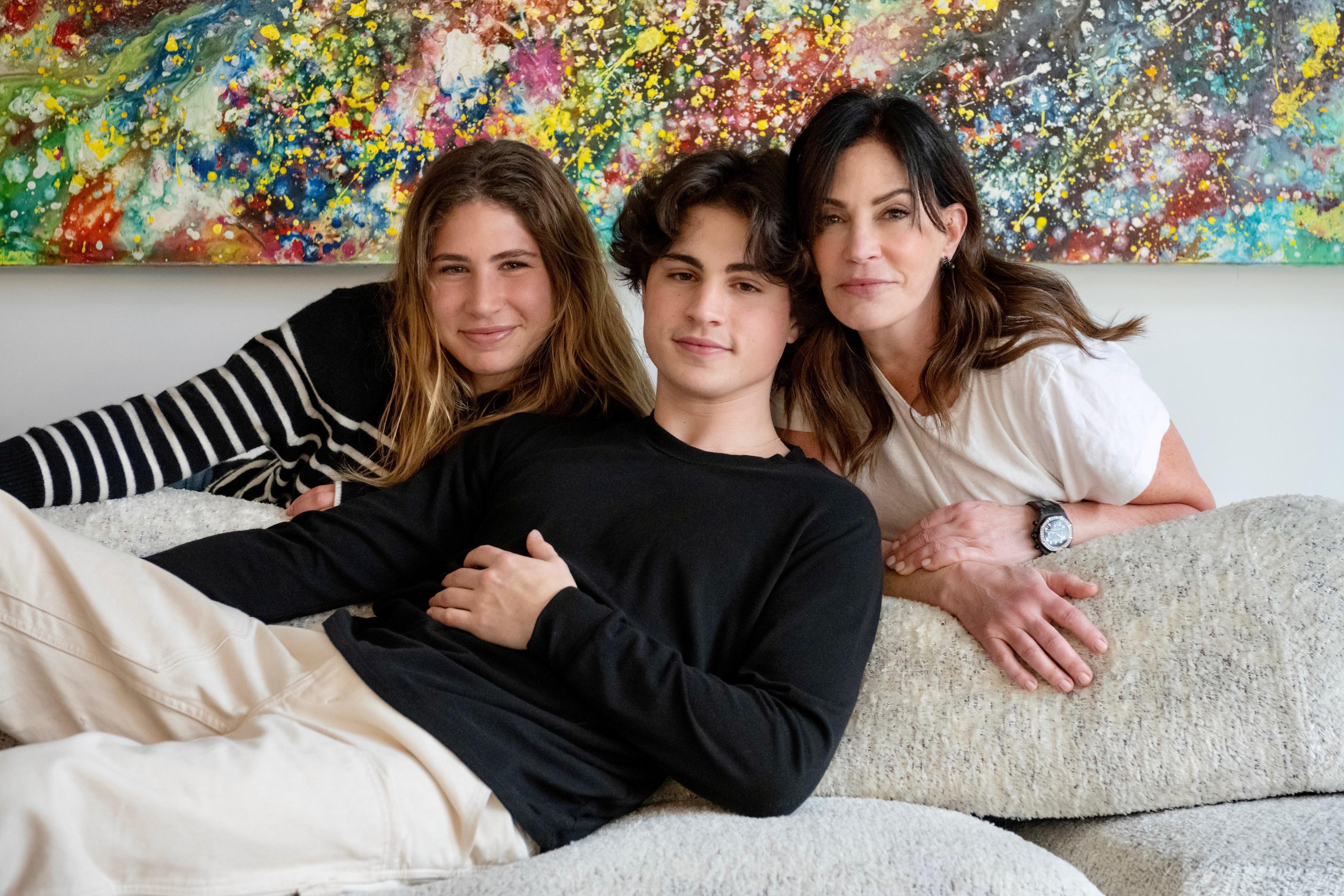
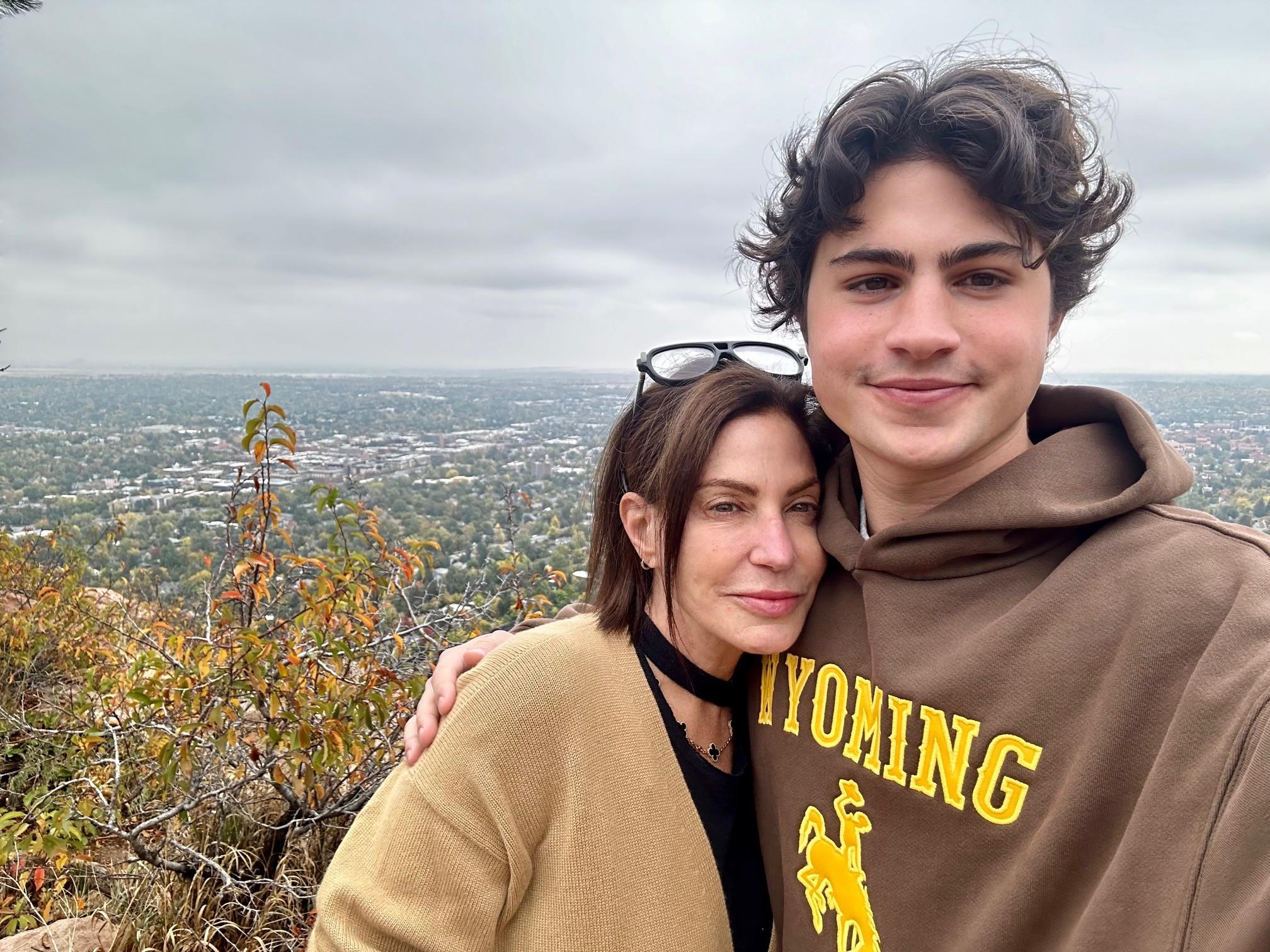
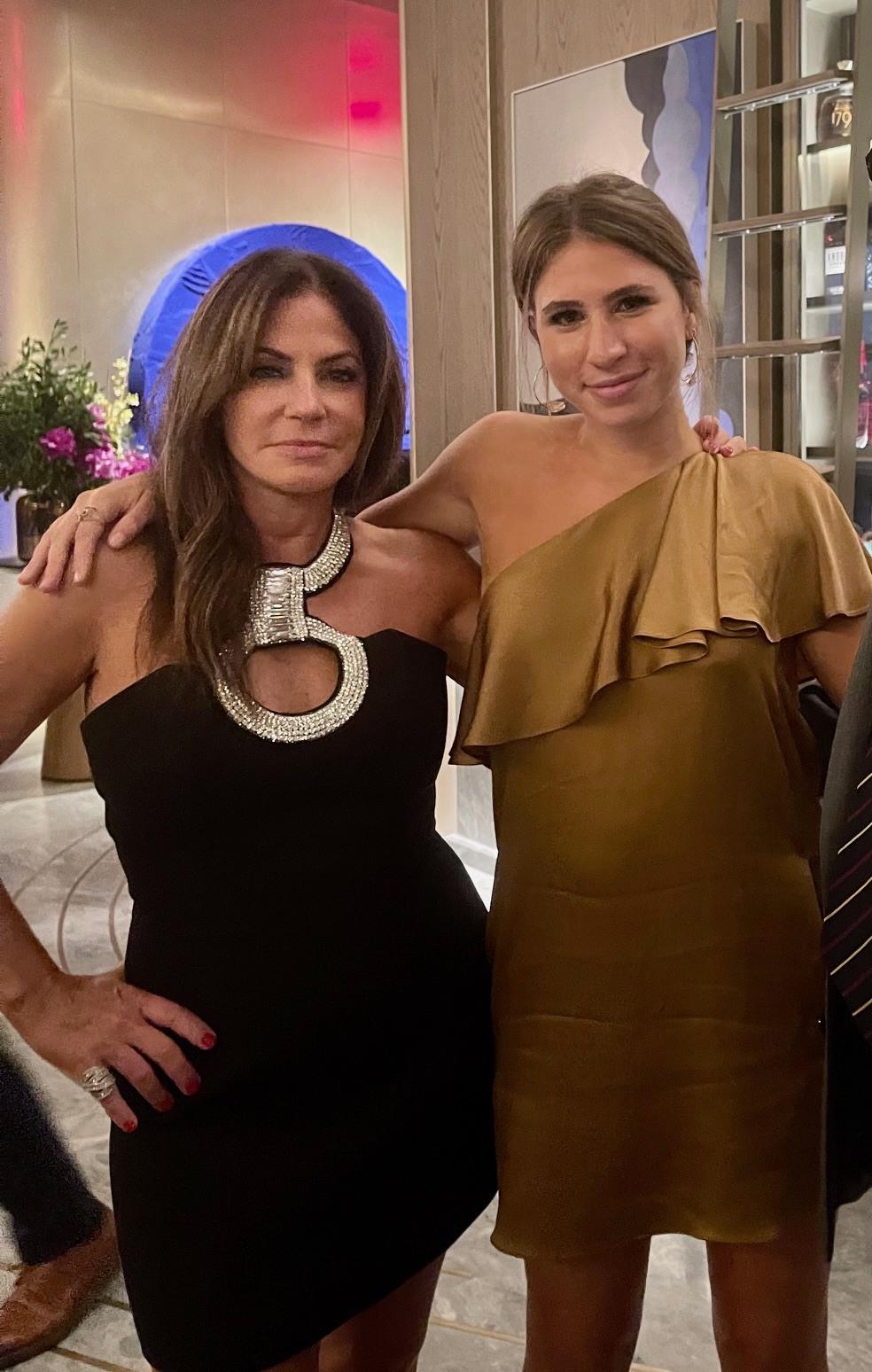
As a single working mother, I didn’t build my career in a straight line. I built it in the margins. I nursed my children behind curtains at trade shows when they were 8 weeks old. I worked on airplanes, between commitments, late at night, early in the morning – whenever I could find the time. And through all of that, the work didn’t suffer. It remained excellent. My children did not suffer, I knew how important it was to show up for them and I took time during traditional work hours to do so.
I missed more weddings and funerals than I care to admit before starting Faryl Robin. My health suffered (I was diagnosed with an autoimmune disease in my 20’s) I arrived late to holiday get-togethers if I arrived at all. I spent too many Thanksgivings in China. It did not feel like I was given a choice, it felt like what I needed to do to get ahead, so I made it work.
That experience didn’t just shape my career – it shaped how I lead.
When I started Faryl Robin I had enough experience and knowledge to appreciate that there are many ways to make things work and work well. So we defied the norm. We chose not to buy into systems that penalize women. For example, I don’t care about work gaps on the resume that are a result of parenting needs, I care about the capability of the applicant and their ability to get the job done.
At Faryl Robin, 70% of our employees are women and 70% of the highest paid people at Faryl Robin are women. We made a decision more than a decade ago to offer work-from-home options for new mothers. Not as a benefit, but as a recognition of reality. I learned from experience that flexibility doesn’t diminish performance, but enables it. We chose to build a company that would not force women to choose between a family and work they care deeply about. By eliminating commuter time, people could be better parents and employees.
As a woman leading in a male dominated industry, I have chosen to lean in on my femaleness. That means recognizing antiquated systems. It means choosing to lead with empathy and understanding. Nobody should choose between family obligations and work obligations in a world where they can coexist. Nobody should choose between their health, physical or mental, to make the boss happy. In fact, I have learned that healthy and happy employees do the best work.
Yet, across our industry, the structure has been slow to change. Many companies still require face time, regardless of outcomes. That model assumes someone else is handling life behind the scenes. For many women, that simply isn’t true. When workplaces are designed around assumptions that ignore the realities of caregiving and modern life, women feel the impact first – and most.
This isn’t about ambition. Women haven’t stepped back. The caregiving tax slows the path forward. It shapes who can stay late, travel, build networks, and gain visibility. As a result, that first major promotion is still harder to get, and sponsorship remains inconsistent. Women are told to lean in, while carrying more outside of work.
Women have made real progress. I’ve seen it with my own eyes. But real equity would mean that success is not dependent on a woman’s willingness to carry a double load, navigate rigid expectations, and outperform inside a system that wasn’t built for her.
At Faryl Robin, we’re proving that work can adapt to life, not the other way around. I’m proud of what we’ve built and excited to see more companies move in that direction.